Hotel Kitchen Design Standards and Layout Best Practices
A well-designed hotel kitchen is essential for delivering high-quality food service, operational efficiency, and guest satisfaction. From layout planning and workflow optimization to equipment selection and ventilation systems, every element plays a crucial role. This guide covers hotel kitchen design standards and best practices for creating efficient and future-ready hospitality kitchens.
Author
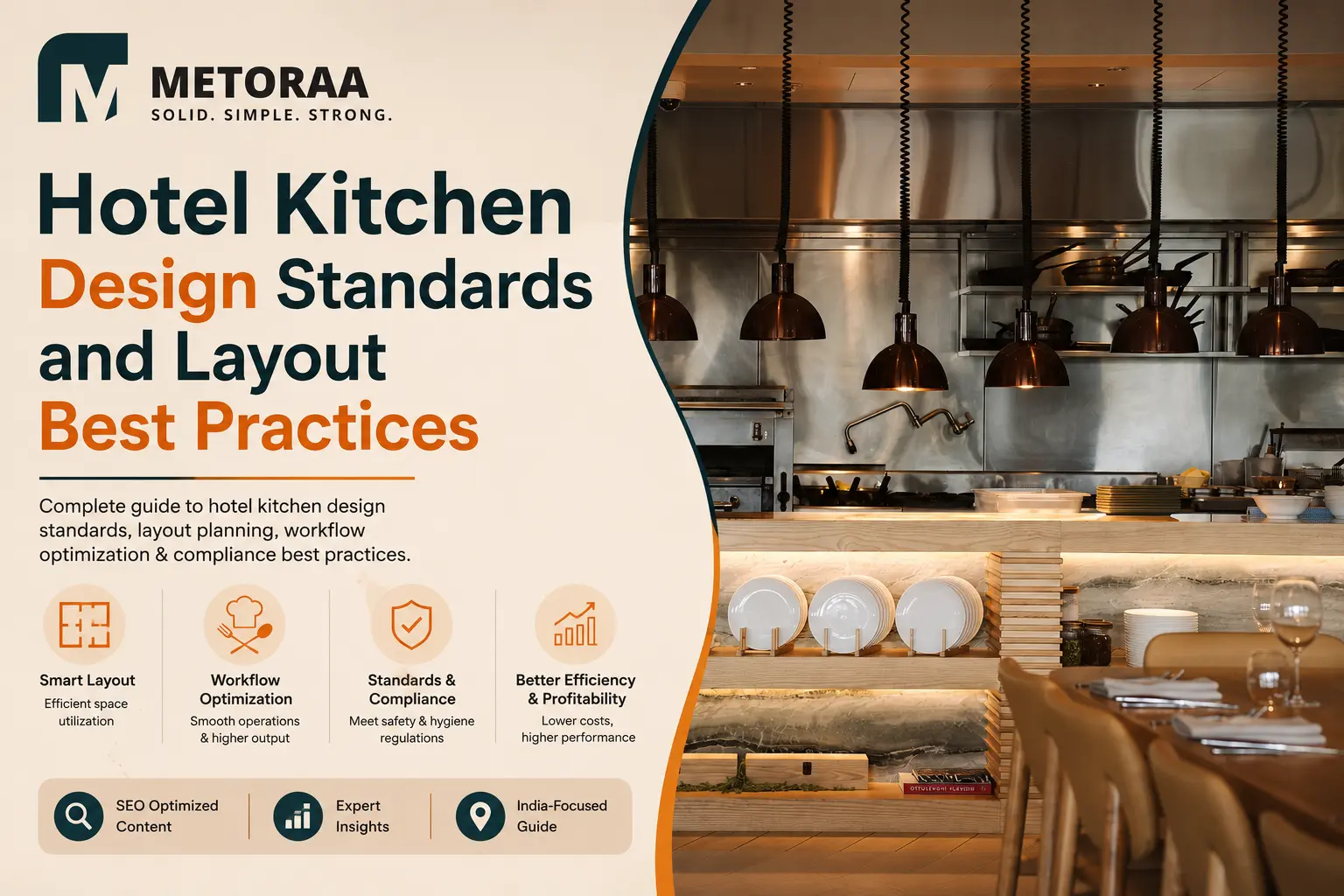
Hotel kitchens are among the most complex food production environments in the hospitality industry. Unlike standalone restaurants, hotel kitchens often serve multiple outlets including all-day dining restaurants, specialty restaurants, banquet halls, room service operations, cafés, and catering facilities. To meet these diverse requirements, hotel kitchens must be carefully planned to support high-volume food production while maintaining efficiency, food safety, and service quality. A professionally designed hotel kitchen helps streamline operations, optimize workflow, reduce operating costs, and enhance guest experiences. As the hospitality industry continues to evolve, following established hotel kitchen design standards has become essential for achieving operational excellence and long-term success.
Why Hotel Kitchen Design Matters
Hotel kitchen design directly impacts productivity, food quality, operational efficiency, and customer satisfaction. Poorly designed kitchens often experience workflow bottlenecks, equipment congestion, increased labour costs, and delayed service times. A well-planned kitchen allows staff to work efficiently, minimizes unnecessary movement, improves communication between departments, and supports consistent food production. Proper design also ensures compliance with food safety regulations and creates a safer working environment for kitchen personnel.
Understanding Hotel Kitchen Design Standards
Hotel kitchen design standards provide guidelines for creating functional, hygienic, and efficient food production facilities. These standards focus on workflow management, equipment placement, ventilation systems, food storage, sanitation areas, and safety compliance. Following industry standards ensures that kitchen operations run smoothly while meeting regulatory requirements and guest expectations. Modern hotel kitchens increasingly integrate advanced technologies and energy-efficient systems to further improve performance and sustainability.
Key Areas of a Hotel Kitchen
A hotel kitchen consists of multiple functional zones designed to support different stages of food production and service. These typically include receiving areas, dry storage rooms, refrigerated storage, food preparation stations, cooking zones, bakery sections, cold kitchens, dishwashing areas, waste management spaces, and service counters. Proper coordination between these areas ensures efficient workflow and minimizes operational delays, particularly during peak service periods.
Essential Hotel Kitchen Planning Checklist
Before designing a hotel kitchen, it is important to evaluate operational requirements, menu complexity, guest volume, and future expansion needs.
Hotel Kitchen Design Checklist
- Analyze Menu Requirements
- Estimate Guest Capacity
- Plan Food Production Workflow
- Design Storage Areas
- Select Commercial Kitchen Equipment
- Plan Ventilation Systems
- Allocate Dishwashing Zones
- Ensure Food Safety Compliance
- Install Fire Safety Systems
- Optimize Staff Movement
- Plan Utility Infrastructure
- Allow Space for Future Expansion
Hotel Kitchen Design Components
| Design Component | Purpose | Importance |
| Receiving Area | Ingredient handling | High |
| Storage Facilities | Inventory management | High |
| Preparation Zones | Food processing | High |
| Cooking Areas | Food production | High |
| Bakery Section | Baking operations | Medium |
| Dishwashing Area | Hygiene management | High |
| Ventilation Systems | Air quality control | High |
| Utility Infrastructure | Operational support | High |
Hotel Kitchen Layout Best Practices
An efficient hotel kitchen layout follows a logical workflow that moves ingredients from receiving and storage through preparation, cooking, plating, and service. This workflow minimizes unnecessary movement, reduces labour requirements, and improves operational efficiency. Layout planning should also ensure adequate spacing between equipment, sufficient workstations for staff, and clear separation between raw and cooked food handling areas. Proper zoning allows departments to operate independently while maintaining seamless coordination across the kitchen.
Food Preparation Area Design
Food preparation zones should be strategically positioned between storage and cooking areas to reduce handling time and improve workflow. Dedicated preparation stations for vegetables, meat, seafood, bakery products, and cold foods help maintain hygiene standards while improving productivity. Proper workstation design ensures that staff have access to the tools, equipment, and ingredients needed to perform their tasks efficiently without causing congestion within the kitchen.
Cooking Area Design Standards
The cooking area serves as the operational heart of a hotel kitchen and requires careful planning to accommodate various cooking methods and production volumes. Equipment such as cooking ranges, ovens, griddles, fryers, steamers, and specialized cooking stations should be arranged according to menu requirements and workflow patterns. Proper spacing between equipment improves safety, enhances efficiency, and allows maintenance personnel to access equipment when necessary.
Hotel Kitchen Ventilation Standards
Ventilation is one of the most critical aspects of hotel kitchen design. High-volume cooking operations generate significant amounts of heat, smoke, grease, and odors that must be effectively managed. A professionally designed ventilation system includes exhaust hoods, fresh air units, grease filters, ducting networks, and exhaust fans. Effective ventilation improves indoor air quality, protects equipment, enhances employee comfort, and ensures compliance with fire and safety regulations. Hotels that invest in high-performance ventilation systems often experience lower maintenance costs and improved operational reliability.
Storage and Refrigeration Planning
Efficient storage planning is essential for maintaining food quality and supporting inventory management. Hotel kitchens typically require separate storage zones for dry goods, refrigerated products, frozen foods, and cleaning supplies. Refrigeration equipment should be positioned close to preparation areas while maintaining adequate accessibility for inventory control. Well-organized storage systems reduce retrieval times, minimize food waste, and support efficient kitchen operations.
Dishwashing and Sanitation Areas
Dishwashing and sanitation areas play a critical role in maintaining hygiene standards and ensuring smooth kitchen operations. These areas should be located away from food preparation and cooking zones to prevent cross-contamination while remaining easily accessible to service staff. Modern hotel kitchens often incorporate automated dishwashing systems that improve efficiency, reduce labour requirements, and maintain consistent sanitation standards.
Importance of Stainless-Steel Fabrication
Stainless-steel remains the preferred material for hotel kitchen workstations, storage systems, counters, sinks, and preparation tables due to its durability, hygiene, and corrosion resistance. The material's smooth surface prevents bacterial growth and allows for easy cleaning, helping hotels maintain strict food safety standards. Customized stainless-steel fabrication also enables hotels to maximize space utilization and create work environments tailored to specific operational requirements.
Fire Safety and Compliance Standards
Hotel kitchens must comply with local fire safety regulations and food safety standards. Fire suppression systems, emergency exits, smoke detection equipment, fire-resistant materials, and safety signage should be incorporated into the design process from the beginning. Compliance with safety standards not only protects guests and employees but also reduces legal risks and operational disruptions. Proper planning ensures that safety measures integrate seamlessly with overall kitchen operations.
Energy-Efficient Hotel Kitchen Design
Energy efficiency has become increasingly important in hotel kitchen planning as hospitality businesses seek to reduce operating costs and support sustainability initiatives. Energy-efficient cooking equipment, refrigeration systems, LED lighting, and advanced ventilation technologies help lower utility expenses while maintaining high performance levels. Sustainable kitchen design also contributes to environmental responsibility and strengthens brand reputation among environmentally conscious guests.
Common Hotel Kitchen Design Mistakes
Many hotel operators underestimate future capacity requirements, resulting in kitchens that struggle to accommodate growing guest volumes. Other common mistakes include inadequate ventilation planning, poor workflow design, insufficient storage capacity, and improper equipment selection. Overcrowded workstations and poorly organized layouts can negatively impact productivity and increase operating costs. Engaging experienced commercial kitchen consultants helps hotels avoid these challenges and create efficient, scalable kitchen environments.
Latest Hotel Kitchen Design Trends in 2026
Modern hotel kitchens are increasingly adopting smart technologies, automation systems, modular layouts, and energy-efficient equipment. IoT-enabled monitoring systems allow real-time tracking of equipment performance, while automated food preparation solutions improve consistency and productivity. Sustainability-focused designs that reduce energy consumption and waste generation are also becoming increasingly popular across the hospitality industry. Hotels that embrace these innovations can improve operational efficiency while delivering superior guest experiences.
Why Hotels Choose Metoraa
Metoraa specializes in designing and delivering world-class hotel kitchen solutions tailored to the unique requirements of hospitality businesses. Our expertise includes kitchen planning, layout design, equipment manufacturing, stainless-steel fabrication, ventilation systems, utility planning, installation, and project management. We work closely with hotel operators to create efficient, compliant, and future-ready kitchen environments that support exceptional food service operations and long-term business growth.
Conclusion
A well-designed hotel kitchen is essential for maintaining operational efficiency, delivering consistent food quality, and ensuring guest satisfaction. By following industry design standards and layout best practices, hotels can optimize workflow, improve safety, reduce operating costs, and support future expansion. From food preparation zones and cooking areas to ventilation systems and storage facilities, every component contributes to the overall success of kitchen operations. Partnering with experienced commercial kitchen experts like Metoraa ensures that hotels receive customized solutions designed to meet the highest standards of performance, safety, and reliability.